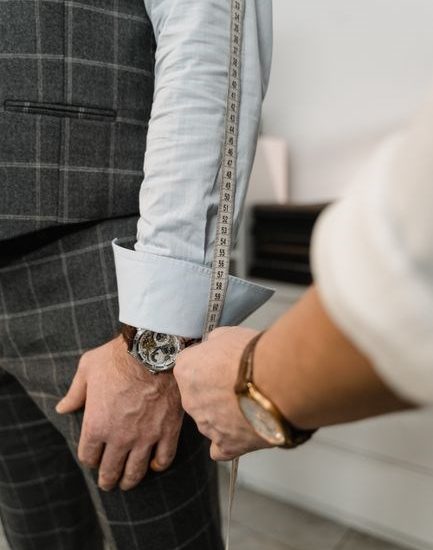
Choosing the right shirt size starts with accurate chest, waist, and sleeve measurements. Our guide shows how to compare your numbers to standard sizes (S‑XXXL) and highlights that our shirts run slightly smaller than traditional brands, so consider sizing up if between sizes. Check the chart. Now!!.

Understanding Our Fit Philosophy
Our shirts run smaller than traditional brands. Classic cut is slightly smaller, with two inches less torso fabric and half an inch less sleeve. Three extra inches of body room without extra length. Tall option adds two inches to sleeves and body for a slimmer, longer fit. Ideal for active wear now.
Classic Cut Characteristics
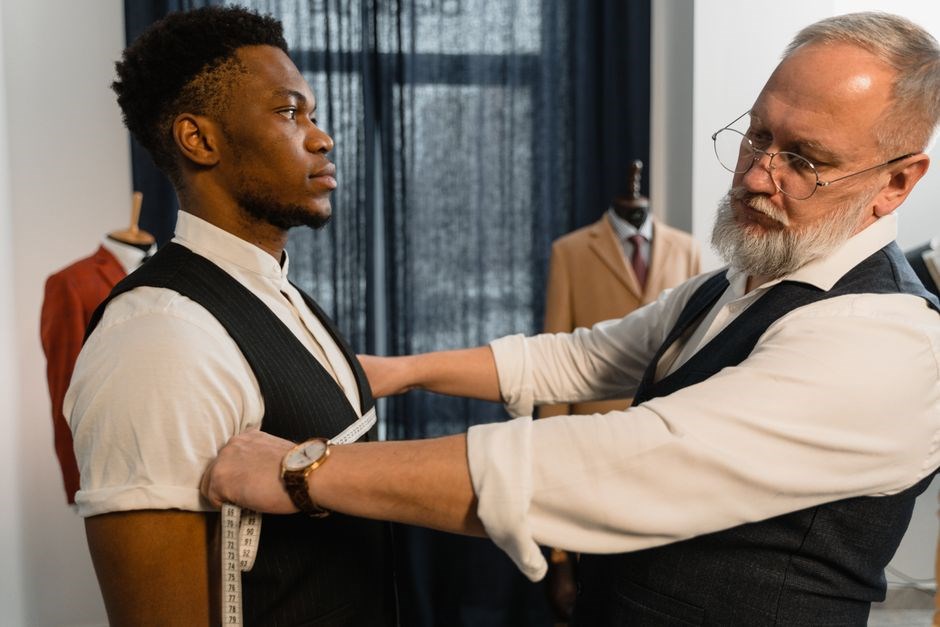
The classic cut delivers a timeless silhouette that balances comfort with style today It features a slightly narrower chest a relaxed waistline creating a subtle, tailored look without feeling restrictive. The shirt’s torso is trimmed two inches shorter than standard brands, giving a cleaner, more fitted appearance. Sleeve length is reduced by half an inch, ensuring a streamlined profile that sits just above the wrist. Despite these reductions, the body retains three extra inches of room, allowing for easy movement and a relaxed feel. For taller men, the tall option adds two inches to both the torso and sleeves, extending the shirt’s length without altering the overall proportions. This combination of a slimmer chest, modest waist, and slightly shorter sleeves results in a polished, contemporary fit that works well in both casual and semi‑formal settings. The classic cut is ideal for those who prefer a traditional look with a modern twist, offering a refined shape that flatters most body types while maintaining everyday practicality. The construction uses high‑quality cotton blends that provide breathability and durability, ensuring the shirt stays crisp throughout the day. The button‑down collar is engineered to stay upright, preventing the collar from drooping. The cuffs are reinforced with subtle contrast stitching that adds a touch of sophistication. The overall design is versatile, pairing seamlessly with dress trousers, chinos, or jeans. Whether you’re heading to a business meeting or a weekend brunch, the classic cut offers a reliable, polished look that never goes out of style. Its clean lines make it a staple daily.
Slim Fit Characteristics

Our slim fit shirts are engineered for a sleek, silhouette that hugs the body without compromising comfort. The cut is tighter through the chest and waist, creating a streamlined appearance that accentuates the torso’s natural shape. This option provides a slimmer fit and extra length in the body and sleeves, ensuring a polished look that extends from the collar to the cuff. The construction incorporates a refined, tapered profile that reduces bulk while maintaining a relaxed feel at the shoulders and arms. The result is a contemporary style that pairs effortlessly with tailored trousers, chinos, or slim‑cut jeans, making it suitable for both business casual and evening wear. The slim fit is ideal for those who prefer a more fitted look that still allows for easy movement, providing a modern edge without sacrificing practicality. Whether you’re attending a formal event or a casual gathering, the slim fit delivers a refined, tailored appearance that complements a wide range of outfits and body types. Its clean lines and precise tailoring make it a versatile addition to any wardrobe, ensuring you look sharp and confident in any setting. The shirt’s button placement is thoughtfully designed to enhance the overall aesthetic, while the pocket, if present, is positioned to maintain balance and proportion. This slim fit is perfect for those who want to make a statement with a refined, tailored look that never feels restrictive, allowing you to move freely while staying impeccably dressed. Its tailored cut ensures a smooth, polished look!!!
Key Measurements Explained
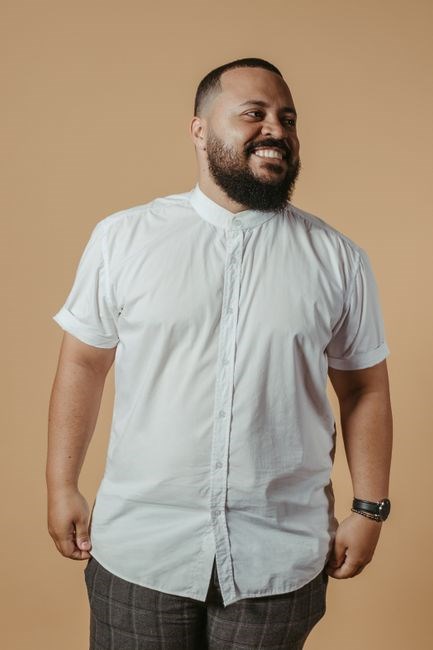
Measure chest at the fullest part, waist at the natural waistline, and sleeve from the shoulder seam to the wrist. These three numbers determine the correct size. Use the chart to match your measurements to our standard sizes (S‑XXXL). Accurate data ensures a proper fit. Follow for a flawless fit. now Measure accurately. now!
Chest
To determine the correct chest size for a men’s shirt, wrap a flexible measuring tape around the fullest part of the chest, just under the armpits and over the shoulder blades. The tape should lie flat and be snug but not tight, allowing a small amount of slack for comfort. Take the measurement in inches or centimeters, depending on your preference, and record the number. This single value is the key indicator of how a shirt will sit across the torso. If you are between two sizes, it is generally advisable to choose the larger size to avoid a constricting fit, especially if you prefer a slightly looser feel or plan to layer a sweater underneath. Our shirts run slightly smaller than many traditional brands, so a measurement that falls near the upper end of a size range may still fit comfortably. For example, a chest measurement of 39 inches typically corresponds to a medium in our standard sizing, while 41 inches would move you into a large. Always cross‑check your chest measurement against the official size chart provided on our website, as variations can occur between different cuts (classic vs. slim) and lengths (tall vs. regular). Accurate chest measurement is the foundation for a well‑fitting shirt that balances style and comfort, ensuring the garment sits properly across the shoulders and chest without excess fabric or tightness. Remember to measure while standing upright, breathing normally, and without holding your breath, as this can slightly alter the reading. Consistency in measuring techn
Waist
When sizing a men’s shirt, the waist measurement is crucial for a comfortable fit. Measure the natural waistline—the narrowest part of the torso—by wrapping a flexible tape around the area. Keep the tape level and snug against the skin, but not tight. Record the number in inches or centimeters. If you fall between sizes, choose the larger one, as our shirts run slightly smaller than many brands. Cross‑referencing your waist with the official size chart ensures you select the best fit. This sizing method guarantees a snug fit that feels natural easily. A well‑measured waist not only guarantees a flattering silhouette. It is advisable to measure twice—once while standing and once while sitting to account for how the shirt will behave in different positions. Some men prefer a slightly smaller waist for a tailored look, while others opt for a relaxed fit for everyday wear. If you are unsure, consult the customer service team for personalized advice. Remember, a well‑fitted waist enhances posture and confidence. Additionally, if you frequently wear layers such as sweaters or jackets, you may want to add an inch to the waist measurement to maintain a comfortable fit. This approach ensures the shirt sits properly without excess fabric at the waist, preventing a boxy appearance. It also allows for better movement during activities. This sizing guarantees comfort. Finally, always double‑check the size chart before ordering to avoid returns. Check the chart again. Ok!!. Remember to double‑check your measurements before finalizing the order
Sleeve Length
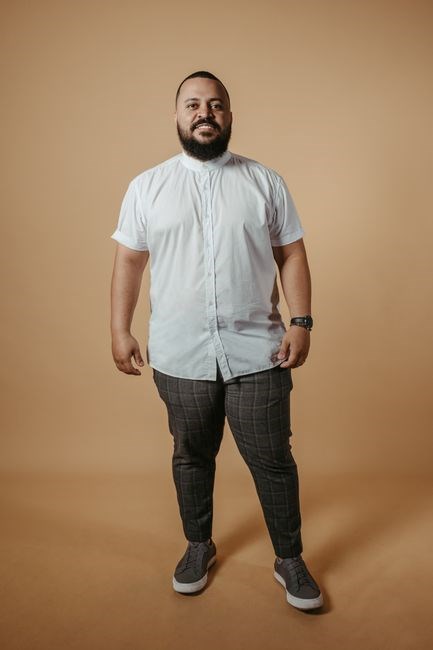
Measuring sleeve length accurately is essential for a shirt that fits comfortably and looks polished. Begin by standing upright with your arms relaxed at your sides. Locate the shoulder seam where the collar meets the sleeve; this is the starting point for your measurement. From this seam, run the tape measure down the outer edge of the arm to the wrist bone, ensuring the tape remains straight and does not dip into the elbow. Record the measurement in inches or centimeters. For a classic cut, the sleeve typically ranges from 33 to 36 inches, offering a relaxed fit that accommodates layering. Slim fit shirts, on the other hand, usually have sleeves that stop just below the wrist, ranging from 33.5 to 35.5 inches, providing a more tailored appearance. If you are between sizes, it is advisable to choose the larger sleeve length to avoid a cramped feel, especially if you prefer to wear a jacket or sweater over the shirt. Keep in mind that our shirts run slightly smaller than many traditional brands, so a one‑inch adjustment can make a noticeable difference. Always double‑check your measurements against the official size chart before placing an order. By following these steps, you can confidently select a shirt that feels comfortable, looks sharp, and fits your body perfectly. Remember to measure accurately, compare with the chart, and choose the right fit for your lifestyle. Add a size up if unsure now. If you’re unsure about the fit, consult our customer service try on a sample shirt to ensure the sleeve length feels right.!
Comprehensive Size Chart
Our comprehensive size chart lists chest, waist, and sleeve ranges for S to XXXL. For example, S: 36–38 chest, 29–31 waist, 33–34 sleeve; M: 39–41, 32–34, 33.5–34.5; L: 42–44, 35–37, 34.5–35.5; XL: 45–47, 38–40, 35–36; XXL: 48–50, 41–43, 35.5–36.5; XXXL: 48–50, 44–46, 36.5–37.5. All sizes in inches.
Standard Sizes (S to XXXL)
For men seeking a reliable fit, our standard sizing spans from Small (S) to Triple‑Extra‑Large (XXXL). Each increment reflects a roughly 2‑inch increase in chest, 3‑inch in waist, and 0.5‑inch in sleeve length, ensuring a progressive fit across the range. The S size accommodates a chest of 36–38 inches, a waist of 29–31 inches, and a sleeve length of 33–34 inches. Moving up to M, the chest expands to 39–41 inches, waist to 32–34 inches, and sleeve to 33.5–34.5 inches. The L size offers a chest of 42–44 inches, waist of 35–37 inches, and sleeve of 34.5–35.5 inches. XL provides a chest of 45–47 inches, waist of 38–40 inches, and sleeve of 35–36 inches. XXL extends to a chest of 48–50 inches, waist of 41–43 inches, and sleeve of 35.5–36.5 inches. Finally, XXXL caps the range with a chest of 48–50 inches, waist of 44–46 inches, and sleeve of 36.5–37.5 inches. These measurements are expressed in inches and reflect the standard metric used by most apparel manufacturers. When selecting a size, consider your body’s proportions: a broader chest may warrant a larger size, while a slimmer torso may fit comfortably in a slightly smaller option. Additionally, remember that our shirts run slightly smaller than traditional brands, so if you find yourself between two sizes, it’s advisable to order the next larger size for optimal comfort and fit. This approach helps avoid tightness around the chest and ensures a relaxed, polished look for everyday wear or formal occasions alike. Fit well, look sharp and feel confident daily.

Ordering Tips for the Right Fit
Measure chest, waist, sleeve. Compare to chart. If between sizes, choose larger. Check return policy. Order once. Use online sizing guide. Keep notes. Size up for slim fit. Ensure comfort.Always double-check measurements. Try on in good lighting. If unsure, order two sizes and return the wrong one.!Thanks!!
When to Size Up
Choosing a larger size is often the safest bet when you’re caught between two measurements. If your chest falls in the lower half of a size range, or your waist is closer to the upper limit, opt for the next size up to avoid a tight fit. Slim‑cut shirts, which cut closer to the body, also benefit from a one‑size‑larger approach, giving you room for movement without excess bulk. For taller men, the “tall” option adds extra length to the torso and sleeves; if you’re near the top of a size chart, a larger size may still be needed to accommodate your height. Layering is another consideration: a light sweater or jacket underneath adds bulk, so a slightly larger shirt can prevent a constricting feel. Finally, remember that cotton and other natural fibers can shrink after washing. If you’re unsure, order a size up and return the smaller one. This strategy ensures a comfortable fit and reduces the risk of a tight, uncomfortable shirt that’s difficult to move in or that looks too tight around the shoulders and chest. Remember to try on the shirt before finalizing your order for the best fit.!!
When ordering online, always double‑check the brand’s specific sizing chart, as some manufacturers use slightly different measurements. For formal events, a one‑size‑larger can give a cleaner look, especially if you’ll wear a blazer. A larger size may be preferable if you like a relaxed, boxy silhouette. By following these guidelines, you can confidently choose a size that offers both comfort and style. Enjoy your new shirt!!!
International Size Conversion
Convert US sizes to EU/UK: S=US 36–38 chest ≈ EU 46–48, UK 36–38; M≈EU 48–50, UK 38–40; L≈EU 50–52, UK 40–42; XL≈EU 52–54, UK 42–44; XXL≈EU 54–56, UK 44–46; XXXL≈EU 56–58, UK 46–48. Adjust for fit.
Use the chart for precise conversions: US 38 chest ≈ EU 48, UK 38 US 40 chest ≈ EU 50, UK 40;US 42 chest ≈ EU 52, UK 42.
US to EU and UK Equivalents

When shopping internationally, it’s essential to translate U.S. shirt sizes into their European (EU) and United Kingdom (UK) counterparts. Our conversion guide maps each U.S; size to a range of chest measurements in inches and centimeters, then shows the equivalent EU and UK sizes. For example, a U.S. Small (S) with a chest of 36–38 inches (≈91–97 cm) corresponds to EU 46–48 and UK 36–38. A U.S. Medium (M) (39–41 inches, ≈99–104 cm) maps to EU 48–50 and UK 38–40. A U.S. Large (L) (42–44 inches, ≈107–112 cm) aligns with EU 50–52 and UK 40–42. A U.S. Extra‑Large (XL) (45–47 inches, ≈114–119 cm) converts to EU 52–54 and UK 42–44. A U.S. Double‑Extra‑Large (XXL) (48–50 inches, ≈122–127 cm) matches EU 54–56 and UK 44–46. A U.S. Triple‑Extra‑Large (XXXL) (51–53 inches, ≈129–134 cm) corresponds to EU 56–58 and UK 46–48. Because our shirts run slightly smaller than traditional brands, we recommend sizing up if you fall between sizes or prefer a looser fit. Always double‑check the chest measurement before ordering, and use the chart as a quick reference for cross‑border shopping. Note that EU sizing typically follows a 2‑size increment pattern relative to U.S. measurements, while UK sizes align closely with U.S. If you’re between 38 and 40, consider EU 50/UK 40. Using this conversion, you can confidently shop across borders and fit better for you. To ensure the best fit, measure your chest at the fullest part, your waist at the natural waistline, and your sleeve length from the shoulder seam to the wrist. Compare these numbers to the chart and remember that our shirts run slightly smaller than many brands, so sizing up can provide a more comfortable, relaxed look. Feel confident choosing the right size with guideus