
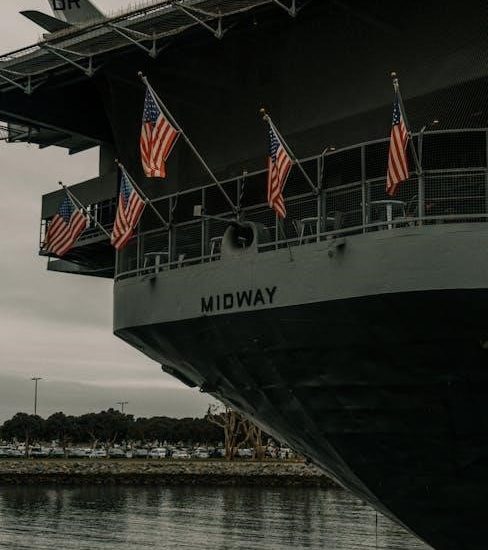
U.S. Navy Regulations & Organization Manual: An Overview
This manual details the comprehensive framework governing the U.S. Navy, outlining standard operating procedures and hierarchical structures. It’s a vital resource for all personnel,
ensuring consistent application of rules and maintaining operational readiness. The regulations, updated as of today, May 4th, 2026, are accessible via secnav.navy;mil.
Key components include directives, statutory authorities, and detailed descriptions of command responsibilities. The manual covers everything from flag protocols to the roles of the Secretary of the Navy and the CNO.
Regular updates, like the ALNAV Interim Changes from January 24, 2018, ensure relevance and accuracy.
Understanding this manual is crucial for maintaining discipline, efficiency, and legal compliance within the naval service. It provides a clear roadmap for all actions and decisions, fostering a cohesive and effective fighting force.
Navy Regulations establish the foundational legal and administrative framework for all operations within the Department of the Navy, encompassing the U.S. Navy and Marine Corps. These regulations, publicly available since December 16, 2015, and continuously updated (see ALNAV Interim Changes, January 24, 2018, via secnav.navy.mil), are more than just a set of rules; they represent the codified experience and best practices of generations of naval leaders.
They define the rights and responsibilities of every member, from the most junior seaman recruit to the Chief of Naval Operations. The regulations govern a vast spectrum of activities, including personnel management, operational procedures, logistical support, and disciplinary actions. Adherence to these regulations is paramount for maintaining good order, discipline, and operational effectiveness.
This introduction serves as a gateway to understanding the comprehensive nature of the Navy Regulations, emphasizing their importance in upholding the core values of honor, courage, and commitment. They are essential for ensuring accountability, transparency, and the consistent application of justice throughout the naval service.
Statutory Authority for U.S. Navy Regulations
The authority for establishing and enforcing U.S. Navy Regulations stems from a robust legal foundation, primarily rooted in Title 10 of the United States Code. Specifically, 10 U.S.C. § 8061 grants the Secretary of the Navy the power to establish regulations necessary for the good order and discipline of the Navy and Marine Corps. This foundational statute, last updated December 16, 2015, provides the overarching legal basis for the entire regulatory system.
Further bolstering this authority are various other statutes addressing specific aspects of naval operations, personnel management, and administrative procedures. These laws, interpreted and implemented through Navy Regulations, ensure compliance with broader federal legislation. The Department of the Navy Issuances (secnav;navy.mil/doni/navyregs.aspx) reflect this statutory framework.
Understanding this statutory basis is crucial, as it underscores the legal weight and binding nature of Navy Regulations. They are not merely internal policies, but legally enforceable rules derived from Congressional authority, ensuring accountability and adherence to the rule of law.
Precedence, Authority, and Command Structure
The U.S. Navy operates under a clearly defined hierarchy of precedence and authority, ensuring efficient command and control. This structure, detailed in the Navy Regulations (secnav;navy.mil/doni/US Navy Regulations, updated December 16, 2015), establishes a chain of command from the President, through the Secretary of the Navy, to individual commanding officers.
Precedence dictates the order in which commands are issued and obeyed, with higher-ranking officers possessing greater authority. The Chief of Naval Operations (CNO) serves as the principal advisor to the Secretary of the Navy and exercises broad administrative authority over naval forces. Commanders in Chief hold significant operational control within designated areas.
This rigid structure is vital for maintaining discipline and responsiveness, particularly during operations. The Commanding Officer (CO) bears ultimate responsibility for their command, enforcing regulations and ensuring mission accomplishment. Understanding this framework is paramount for all personnel, fostering clarity and accountability throughout the naval service.

Core Organizational Components
The Navy’s structure centers on the Department of the Navy, led by the Secretary and CNO. The Marine Corps, under the Commandant, is a crucial element, alongside Coast Guard operations.
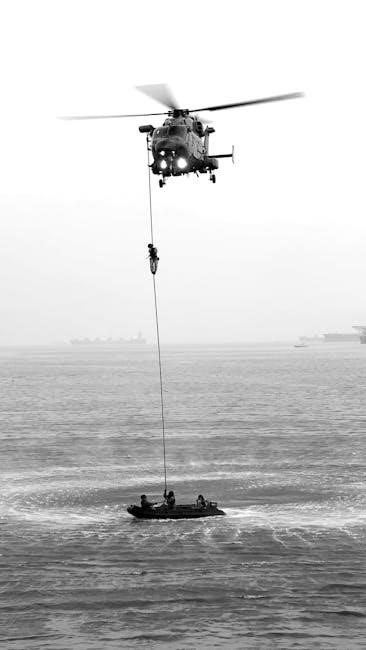
The Department of the Navy
The Department of the Navy is the executive department of the U.S. government responsible for matters relating to the Navy and Marine Corps. Established by the National Security Act of 1947, it oversees all aspects of naval affairs, from personnel management and procurement to research and development, and operational readiness. As of December 16, 2015, detailed regulations governing its functions were formally documented.
This department encompasses a vast network of commands, installations, and personnel worldwide. It’s responsible for maintaining, training, and equipping combat-ready naval forces capable of protecting U.S. interests globally. The Department’s budget is substantial, reflecting the Navy’s critical role in national defense.
Key functions include formulating naval policy, administering naval programs, and providing support to the fleet. It works closely with other government agencies and international partners to address shared security challenges. The Department of the Navy’s effectiveness is paramount to the nation’s maritime security.
The Secretary of the Navy: Roles and Responsibilities
The Secretary of the Navy (SECNAV) is the civilian head of the Department of the Navy, responsible to the President, through the Secretary of Defense. As of December 16, 2015, regulations clearly defined this position’s authority. The SECNAV oversees all operations and administration of the Navy and Marine Corps, ensuring they are prepared to carry out national objectives.
Key responsibilities include formulating policies, managing the Department’s budget, and advocating for naval interests within the government. The SECNAV appoints admirals and Marine generals, and exercises overall supervision of naval personnel and resources. They also represent the Navy in interagency matters and public forums.
The SECNAV’s role is crucial in balancing operational needs with fiscal constraints and political considerations. They must ensure the Navy remains a modern, capable, and responsive force, ready to meet evolving threats. Effective leadership from the SECNAV is vital for maintaining naval dominance and protecting national security.
The Chief of Naval Operations (CNO): Authority and Functions
The Chief of Naval Operations (CNO) is the highest-ranking officer in the U.S. Navy, a position established to manage naval warfare and operations. Regulations, as of December 16, 2015, delineate the CNO’s extensive authority, reporting directly to the Secretary of the Navy. The CNO is a member of the Joint Chiefs of Staff, advising the President and Secretary of Defense on military matters.
The CNO’s primary function is to develop and implement naval strategy, oversee naval training, and ensure the readiness of naval forces. This includes managing personnel, equipment, and budgets to maintain a capable and effective fleet. They also establish policies regarding naval doctrine, tactics, and procedures.
The CNO’s leadership is critical for modernizing the Navy and adapting to emerging threats. They champion innovation, promote professional development, and foster a culture of excellence within the naval service, ensuring the Navy’s continued success.
The Commandant of the Marine Corps: Responsibilities and Command
The Commandant of the Marine Corps (CMC) serves as the professional head of the United States Marine Corps, responsible for all aspects of its organization, training, and readiness. Regulations, last updated December 16, 2015, define the CMC’s authority, reporting to the Secretary of the Navy. The CMC is also a member of the Joint Chiefs of Staff, providing crucial input on matters pertaining to amphibious warfare and expeditionary operations.
The CMC’s core responsibilities encompass developing doctrine, establishing standards, and overseeing the recruitment and training of Marines. They advocate for the Marine Corps’ unique capabilities and ensure it remains a vital component of the nation’s defense strategy. This includes managing personnel, equipment, and budgetary resources.
The Commandant’s leadership is paramount in maintaining the Marine Corps’ distinguished reputation for courage, discipline, and unwavering commitment to duty, ensuring its continued effectiveness in responding to global challenges.
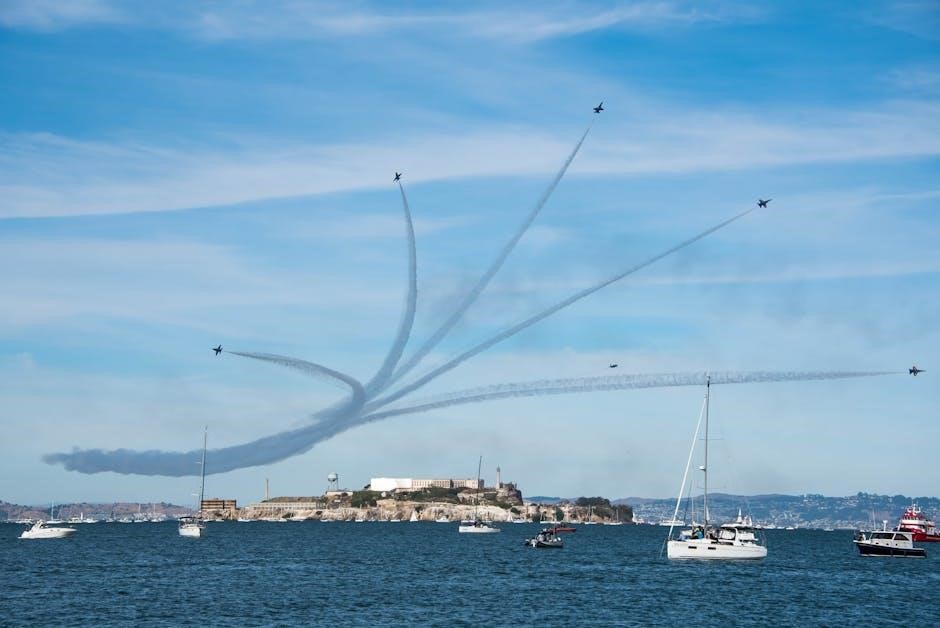
Commanding Structure & Leadership
Naval leadership operates within a defined hierarchy, emphasizing clear lines of authority and responsibility; Regulations detail roles for Commanders in Chief, Commanding Officers, and Senior Officers, ensuring effective command.
Commanders in Chief and Other Commanders
Commanders in Chief (CINCs) historically held broad, regional command authority, though this structure has evolved with Unified Combatant Commands. These commands, established by Title 10 of the U.S. Code, are led by senior officers responsible for significant geographic areas or strategic functions. The Navy Regulations outline the specific authorities delegated to each CINC, ensuring alignment with national security objectives.
Beyond CINCs, numerous other commanders fulfill vital roles. These include type commanders (TYCOMs), responsible for specific fleets or warfare areas (e.g., Submarine Forces, Naval Air Forces), and numbered fleet commanders, who exercise operational control over assigned forces within a defined area of responsibility. Regulations meticulously define the scope of authority for each commander, preventing overlap and ensuring coordinated action.
The manual emphasizes that all commanders are accountable for the conduct of their commands, upholding the highest standards of professionalism and adherence to Navy Regulations. Clear communication and established reporting procedures are paramount, facilitating effective command and control throughout the naval hierarchy, as documented in the regulations available on secnav.navy.mil.
The Commanding Officer: Duties and Authority
The Commanding Officer (CO) embodies ultimate responsibility for a naval command, be it a ship, squadron, or shore establishment. Navy Regulations meticulously define the CO’s duties, encompassing all aspects of command operations, personnel management, and material readiness. This authority is derived from both statutory law and established naval custom, ensuring a clear chain of accountability.
Core duties include enforcing regulations, maintaining discipline, and ensuring the safety and well-being of all assigned personnel. The CO is also responsible for the effective utilization of resources and the accomplishment of assigned missions. Regulations emphasize the CO’s obligation to foster a positive command climate, promoting teamwork and professional development.
Crucially, the CO’s authority is not absolute. It is tempered by the need to adhere to established procedures and to exercise sound judgment. The manual, accessible via secnav.navy.mil, provides detailed guidance on the proper exercise of command authority, emphasizing ethical leadership and responsible decision-making.
The Senior Officer Present: Protocol and Responsibilities
The Senior Officer Present (SOP) assumes temporary command authority when no regularly assigned Commanding Officer is available. Navy Regulations meticulously outline the SOP’s responsibilities, prioritizing the continuation of operations and the maintenance of good order and discipline. This role is critical for ensuring seamless command transitions and preventing disruptions.
Protocol dictates the SOP’s actions, demanding adherence to established procedures and a heightened awareness of command climate. Responsibilities include maintaining situational awareness, directing response to emergencies, and representing the command in official capacities. The SOP must act decisively, yet prudently, always prioritizing the safety of personnel and the security of assets.
The manual, available at secnav.navy.mil, details specific guidance regarding the SOP’s authority, emphasizing that it is a temporary assignment. Upon the return of the CO, authority reverts immediately. Understanding these regulations is paramount for all officers, ensuring a smooth and lawful transfer of command.
Regulations Governing Naval Operations
These regulations establish the foundational principles for all naval activities, encompassing everything from daily routines to complex operational deployments. They ensure standardized procedures and legal compliance.
General Regulations: Core Principles
The General Regulations, last modified December 16, 2015, represent the bedrock of naval conduct and operational effectiveness. These core principles dictate behavior, responsibility, and accountability for all personnel, regardless of rank or assignment. They emphasize unwavering adherence to lawful orders, respect for authority, and the paramount importance of mission accomplishment.
Central to these regulations is the concept of discipline, encompassing both self-discipline and the enforcement of standards. Integrity, honor, and courage are not merely aspirational values, but actively enforced expectations. Furthermore, the regulations stress the necessity of maintaining good order and discipline at all times, recognizing its direct impact on combat readiness and operational success.
These principles also govern interactions with civilians, emphasizing respectful conduct and adherence to the rule of law. Proper handling of classified information, financial accountability, and environmental stewardship are also key components. Ultimately, the General Regulations aim to cultivate a professional, ethical, and highly capable naval force, prepared to defend national interests globally.
Flags, Pennants, Honors, Ceremonies, and Customs
Established December 16, 2015, this section of the Navy Regulations meticulously details the symbolic language and traditions that embody naval heritage and esprit de corps. Proper display of flags and pennants isn’t merely decorative; it conveys critical information and honors national and international affiliations. Strict protocols govern hoisting, lowering, and rendering honors, reflecting respect for authority and national symbols.
Ceremonies, from commissioning to retirements, are governed by precise procedures designed to maintain dignity and reverence. Customs, passed down through generations, reinforce core values like teamwork, courage, and loyalty. These traditions foster a sense of belonging and shared identity among sailors.
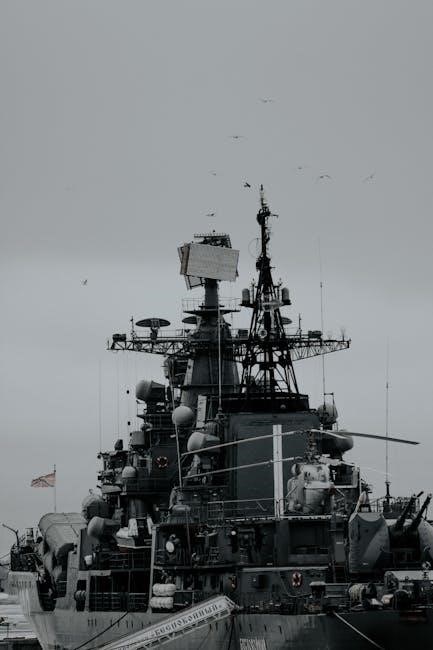
Adherence to these regulations ensures uniformity and professionalism during public appearances and official events. Understanding these customs isn’t simply about following rules; it’s about upholding a proud legacy and demonstrating the Navy’s commitment to excellence and tradition.
The United States Coast Guard (When Operating as a Service in the Navy)
Documented as of December 16, 2015, this section clarifies the unique status and operational integration of the U.S. Coast Guard when functioning as a service within the Navy. During times of war or national emergency, the Coast Guard transfers to the Department of the Navy, operating under naval command and control. This provision ensures a unified maritime defense strategy.
Regulations detail the specific authorities and responsibilities assumed by Coast Guard units during these periods, encompassing search and rescue, port security, and maritime law enforcement. Personnel procedures, logistical support, and command structures are aligned with Navy standards to facilitate seamless collaboration.
Understanding this arrangement is vital for both Navy and Coast Guard personnel to ensure effective coordination and avoid jurisdictional conflicts. This section outlines the legal framework governing this transfer of authority, maintaining operational efficiency and national security.
Supporting Documentation & Resources

Essential resources include the glossary of naval terms, a comprehensive index, and the table of contents. ALNAV interim changes, updated January 24, 2018, provide current regulatory adjustments.
Glossary of Naval Terms
The Navy’s specialized lexicon demands a comprehensive glossary for clear communication and understanding across all ranks and departments. This glossary, a vital component of the U.S. Navy Regulations & Organization Manual, defines thousands of terms unique to naval operations, administration, and maritime law.
Entries range from common abbreviations like “ALNAV” (All Navy Message) to complex technical specifications for shipboard systems and tactical procedures. Definitions are meticulously maintained to reflect evolving technology and operational doctrine, ensuring consistency in interpretation. Understanding terms like “Commanding Officer,” “CNO,” and “Department Head” is fundamental to grasping the command structure.
The glossary also clarifies flag signals, pennant meanings, and ceremonial protocols, essential for maintaining tradition and demonstrating respect. It serves as an invaluable tool for new recruits, seasoned veterans, and anyone interacting with the Navy, promoting accurate information dissemination and preventing miscommunication. Access to this resource is crucial for effective naval service.
Index of Navy Regulations
The Index of Navy Regulations serves as the central navigational tool within this extensive manual, enabling users to quickly locate specific rules, policies, and procedures. Organized alphabetically and cross-referenced meticulously, it provides direct access to relevant sections covering all aspects of naval operations and administration.
Entries encompass a vast range of topics, from administrative procedures and personnel management to operational security and legal considerations. Users can efficiently find information regarding flag etiquette, command responsibilities, or the authority of the Secretary of the Navy. The index is regularly updated to reflect changes introduced through ALNAV Interim Changes and other official issuances.
This detailed index is essential for ensuring consistent application of regulations across the fleet, promoting accountability, and maintaining operational readiness. It’s a critical resource for legal counsel, commanding officers, and all personnel seeking clarification on Navy policy, streamlining access to vital information.
Table of Contents: Navigating the Regulations
The Table of Contents provides a structured overview of the U.S. Navy Regulations & Organization Manual, acting as a roadmap for understanding the comprehensive framework governing naval operations. It’s meticulously organized into sections and subsections, mirroring the hierarchical structure of the Navy itself.
Users can quickly identify key areas of interest, such as the roles of the Chief of Naval Operations, the Commandant of the Marine Corps, and the Department of the Navy. The table outlines regulations pertaining to command structure, flags and ceremonies, and even the unique considerations when operating with the Coast Guard.
Regularly updated to reflect changes, including those detailed in ALNAV Interim Changes, this table ensures users have access to the most current organizational information. It’s an indispensable tool for efficient navigation, promoting clarity and consistent application of Navy policy across all levels of command.
ALNAV Interim Changes
ALNAV (All Navy) messages represent critical, time-sensitive updates to the U.S; Navy Regulations & Organization Manual, bridging the gap between formal revisions. These interim changes address emergent issues, clarify ambiguities, or implement immediate policy adjustments impacting naval personnel and operations.
Published frequently, ALNAV messages are disseminated fleet-wide, ensuring all Sailors and Marines receive timely notification of regulatory modifications. They cover a broad spectrum of topics, from procedural refinements to changes in authority or responsibility. The most recent documented change, as of January 24, 2018, highlights the Navy’s commitment to adaptability.
Accessing and understanding ALNAVs is paramount for maintaining compliance and operational effectiveness. These messages are often referenced within the main body of the regulations, providing context and justification for specific rules. Staying current with ALNAVs is a continuous responsibility for all naval personnel.